Photonic Chips to Power the Quantum Revolution

Rapid Iteration. Flexible Processes. Quantum PICs.

The QPICs Advantage

We specialize in photonic integrated circuit (PIC) fabrication for quantum applications

Arrow with a clock

3-4 Week Turnaround

A chip with arrows pointing inwards

1000x Size, Weight, and Power (SWaP) Reduction

A rainbow sine wave

300nm to 7μm Full-Spectrum Waveguides

Two check marks

Flexible Materials Selection

1

Batch Size 1, Up to At-Scale Production

Maxwell equation

Engineer-Friendly Accessible Design

Arrow with a clock

3-4 Week Turnaround

A chip with arrows pointing inwards

1000x Size, Weight, and Power (SWaP) Reduction

A rainbow sine wave

300nm to 7μm Full-Spectrum Waveguides

1

Batch Size 1, Up to At-Scale Production

Two check marks

Flexible Materials Selection

Maxwell equation

Engineer-Friendly Accessible Design

Fast-Fab Photonics Foundry

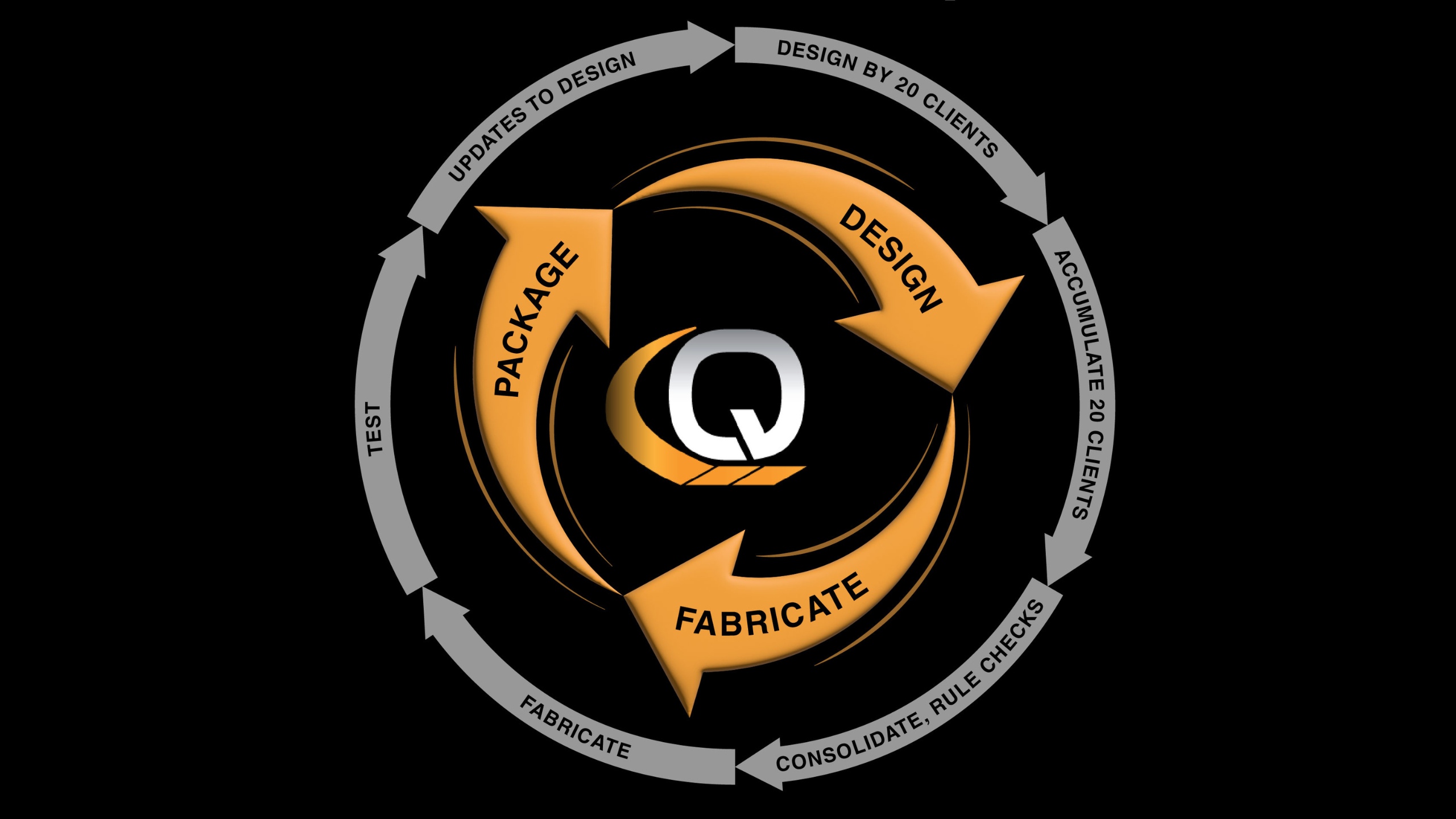
Breakdown of the difference between status quo PIC manufacturing and QPICs manufacturing. The status quo is a long process requiring design by 20 clients, accumulate 20 clients, consolidation and rule checks, fabrication, testing, and updates to design. The QPICs process is fast, requiring only design, fabricate, and package

Faster turnaround time compared to status quo manufacturing enables rapid iteration and operational agility.

Breakdown of the difference between status quo PIC manufacturing and QPICs manufacturing. The status quo is a long process requiring design by 20 clients, accumulate 20 clients, consolidation and rule checks, fabrication, testing, and updates to design. The QPICs process is fast, requiring only design, fabricate, and package

Photonics Requires Non-Standard Materials

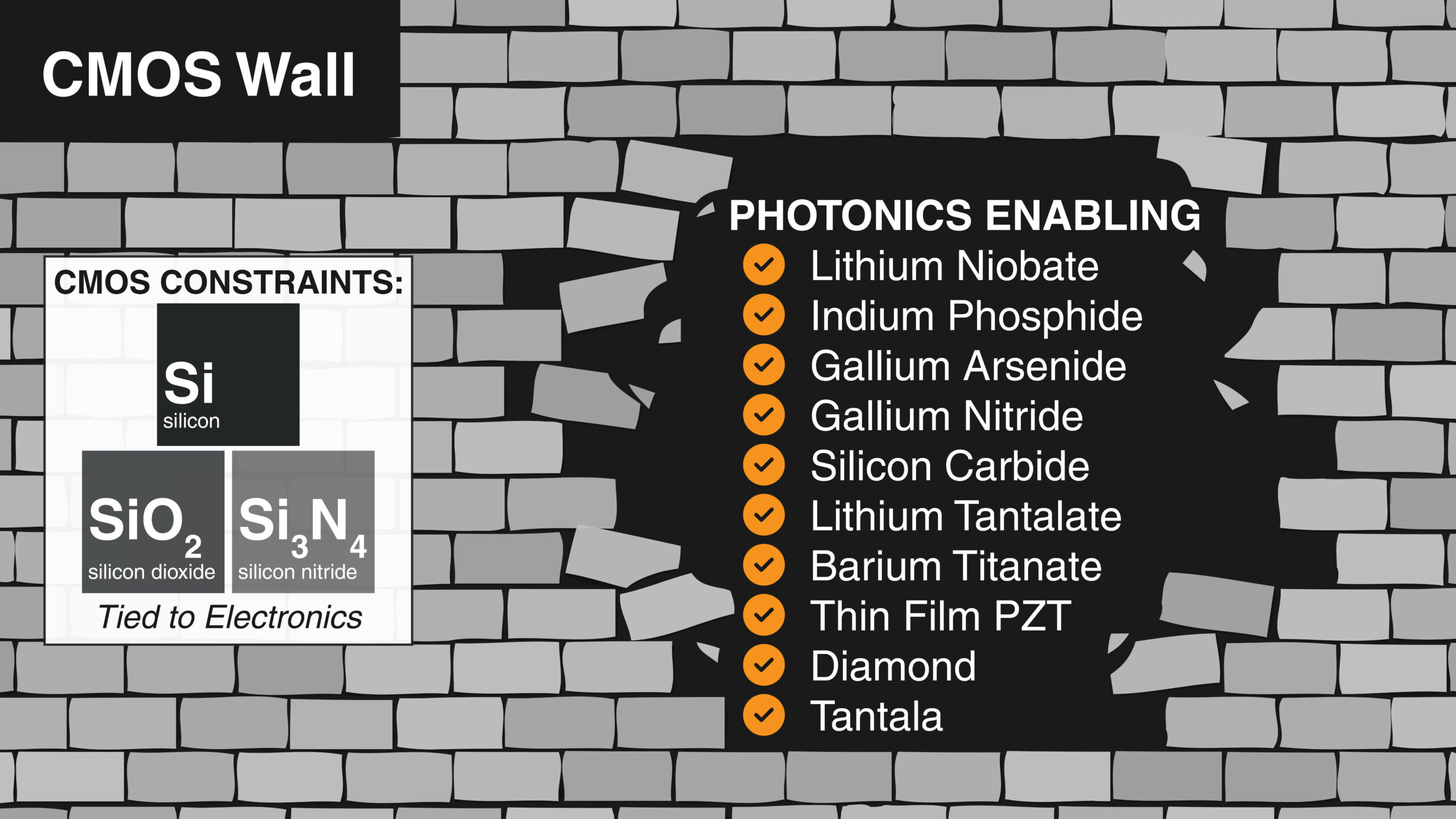
Break through the CMOS wall. CMOS constraints are tied to electronics, only supporting basic materials like silicon, silicon dioxide, and silicon nitride. QPICs busts through the CMOS Wall and offers photoncis enabling materials like lithium niobate, indium phosphide, gallium arsenide, gallium nitride, silicon carbide, lithium tantalate, barium titanate, Thin Film PZT, Diamond, and Tantala

CMOS compatability is tied to electronics and restrains quantum tech developers. Not any more.

Photonics Requires Non-Standard Materials

CMOS compatability is tied to electronics and restrains quantum tech developers. Not any more.

Operational Excellence in Advanced Manufacturing of Quantum Chips

There’s no denying that fabs are hard to run. What makes QPICs different?

Essentially, we’re creating a 3D printer for photonic chips.

Our differentiator is our efficient operations. By prioritizing reconfigurability and ultrafast processes, we solve economic and operational problems. We optimize process engineering and focus on scale-up manufacturing technology and design.

There’s no denying that fabs are hard to run. What makes QPICs different?

Essentially, we’re creating a 3D printer for photonic chips.

Our differentiator is our efficient operations. By prioritizing reconfigurability and ultrafast processes, we solve economic and operational problems. We optimize process engineering and focus on scale-up manufacturing technology and design.

Quantum Applications for Photonic Integrated Circuits

ALL RIGHTS RESERVED © QPICS 2026